

The Hotel Room Is Changing
Why the next generation of hotels is designing for recovery, not simply relaxation
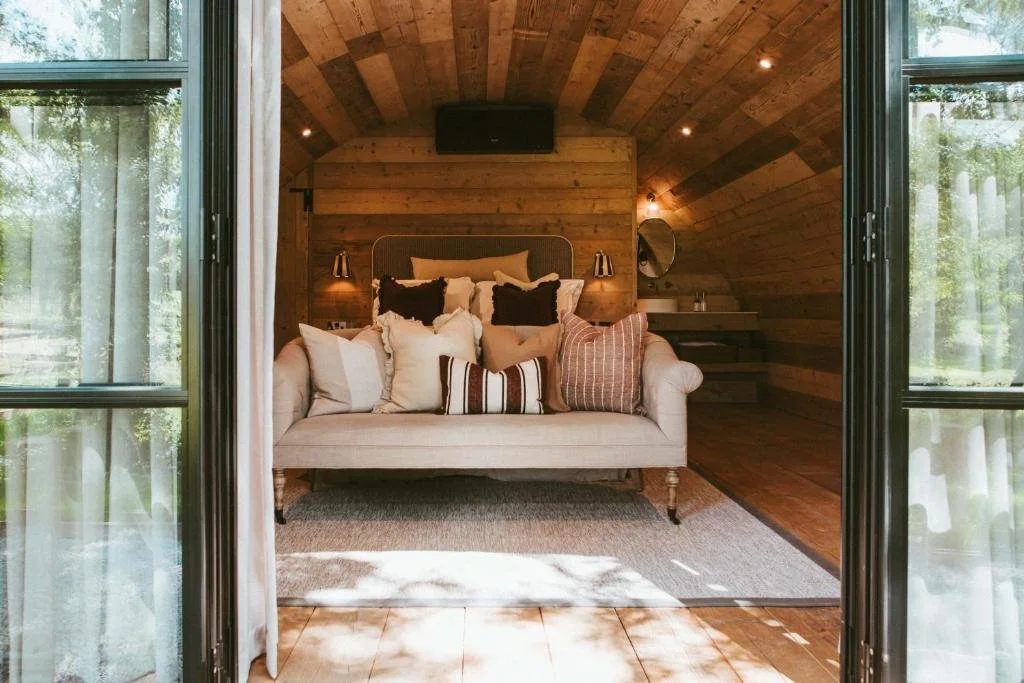
For years, hotel wellbeing was largely confined to one part of the building.
There was the spa, perhaps a gym and, if space allowed, a treatment menu offering massages and facials. Everywhere else, the hotel continued much as it always had.
In 2026, some of the most progressive hotels are no longer asking guests to visit a designated space to “do wellness”. They are reconsidering the entire stay, from the atmosphere on arrival and the products in the bathroom to the quality of sleep and how guests feel when they leave.
The hotel room is no longer simply somewhere to spend the night.
Increasingly, it is being designed as somewhere to recover from the world outside.
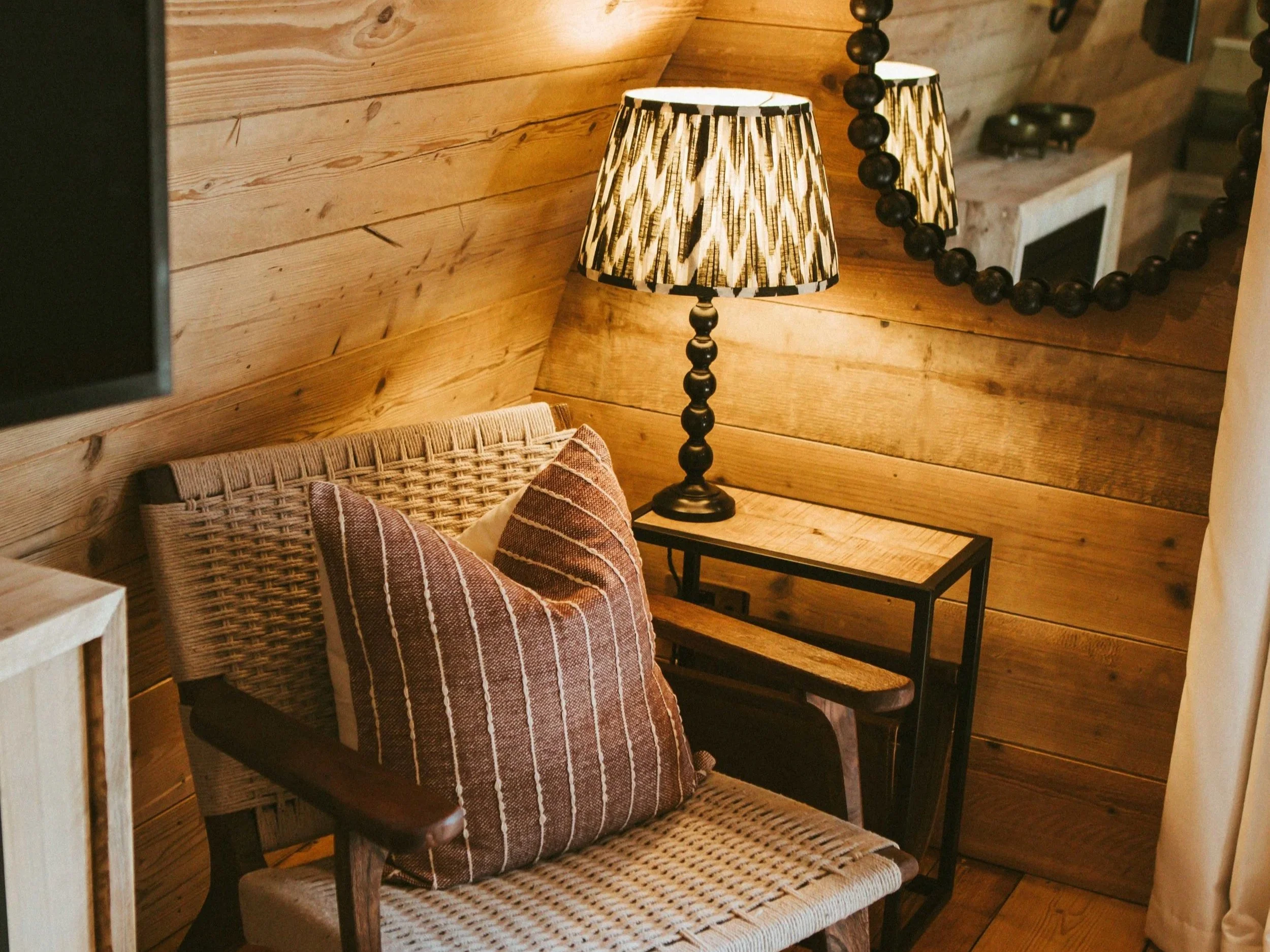
FROM ESCAPE TO RECOVERY
Boutique Hotelier recently reported that wellness is becoming an increasingly important driver of both guest experience and hotel revenue. But the most interesting development is not simply the amount being invested in spas. It is the broadening definition of wellbeing itself.
Today’s guests arrive carrying tiredness, overstimulation and the accumulated noise of everyday life. Many have spent the journey checking emails, navigating apps and moving between crowded spaces. What they want from a hotel is not necessarily another schedule of activities.
They want the experience to place fewer demands on them.
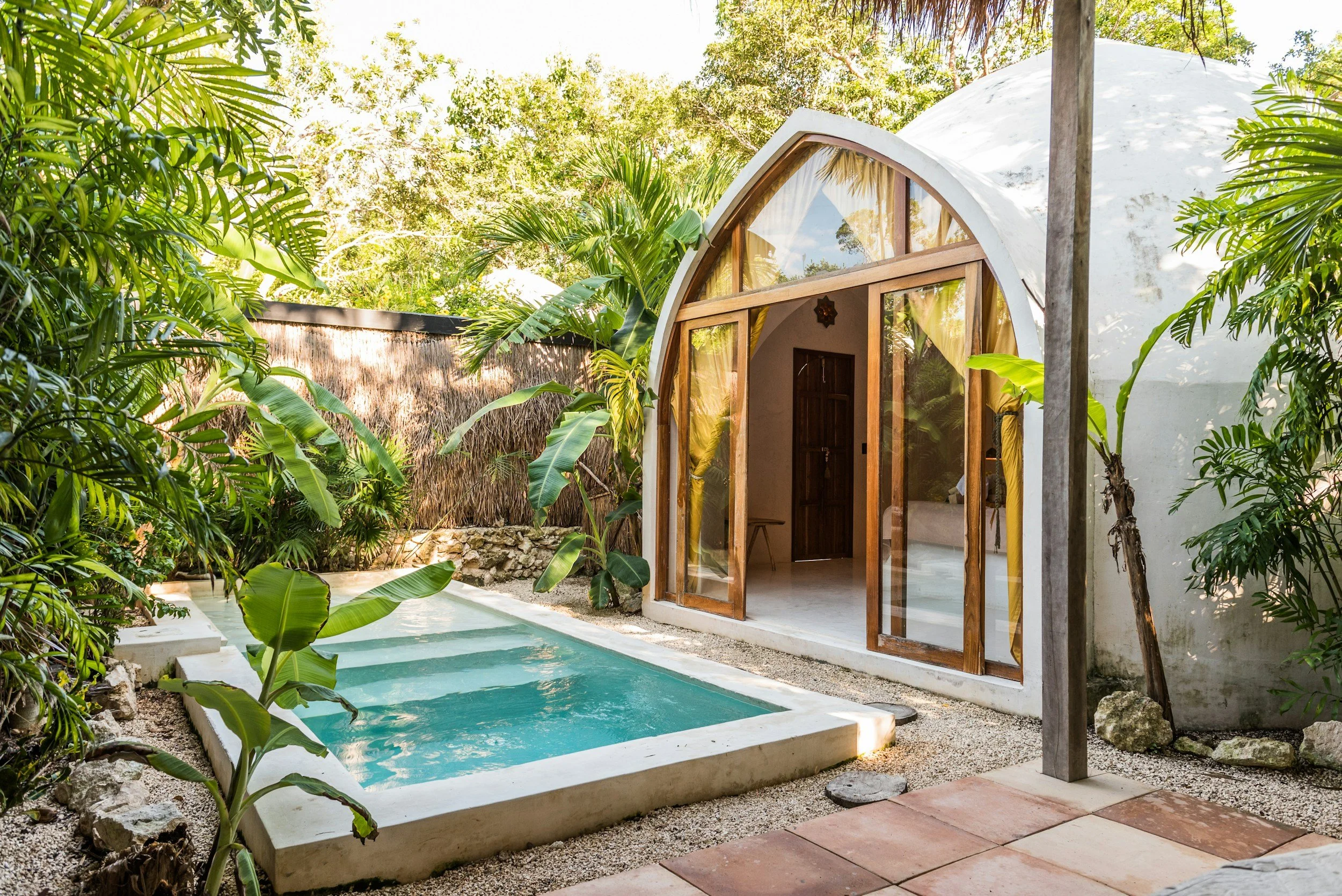
WHAT THE REST OF THE WORLD IS DOING
Different countries are approaching this shift through their own cultures, landscapes and rituals.
Across Scandinavia, sauna culture is becoming more social. Rather than treating wellbeing as an isolated treatment experienced alone, hotels and urban bathhouses are creating communal spaces built around warmth, cold water and conversation.
Across Asia, hotels are drawing upon regional botanicals, traditional therapies and sleep rituals to create experiences that feel connected to their location. Four Seasons, for example, has highlighted restorative sleep experiences incorporating Thai botanicals rather than applying the same generic wellness formula to every property.
In the US, the approach is often more technological. Hotels are experimenting with adaptive beds, circadian lighting, sound-controlled rooms, sleep tracking and in-room recovery equipment. The traditional minibar is even being reconsidered, with some properties replacing or supplementing drinks and snacks with items intended to support rest and physical recovery.
These approaches look very different, but they share one idea:
Wellbeing is most effective when it is built into the stay, not added to it afterwards.
THE RETURN OF RITUAL
Technology will undoubtedly play a role in the hotel room of the future. Lighting can follow the natural progression of the day. Temperature can be adjusted for sleep. Sound can be softened and air quality improved.
But there is a countertrend developing alongside it.
The more digital everyday life becomes, the more valuable simple physical rituals begin to feel.
Running a bath. Washing away the journey. Opening a beautifully made product. Noticing a fragrance as warm water releases it into the room. Turning down the lights without immediately reaching for another screen.
None of this is complicated, but that is precisely the point.
A good hotel should not require guests to work hard at feeling better.
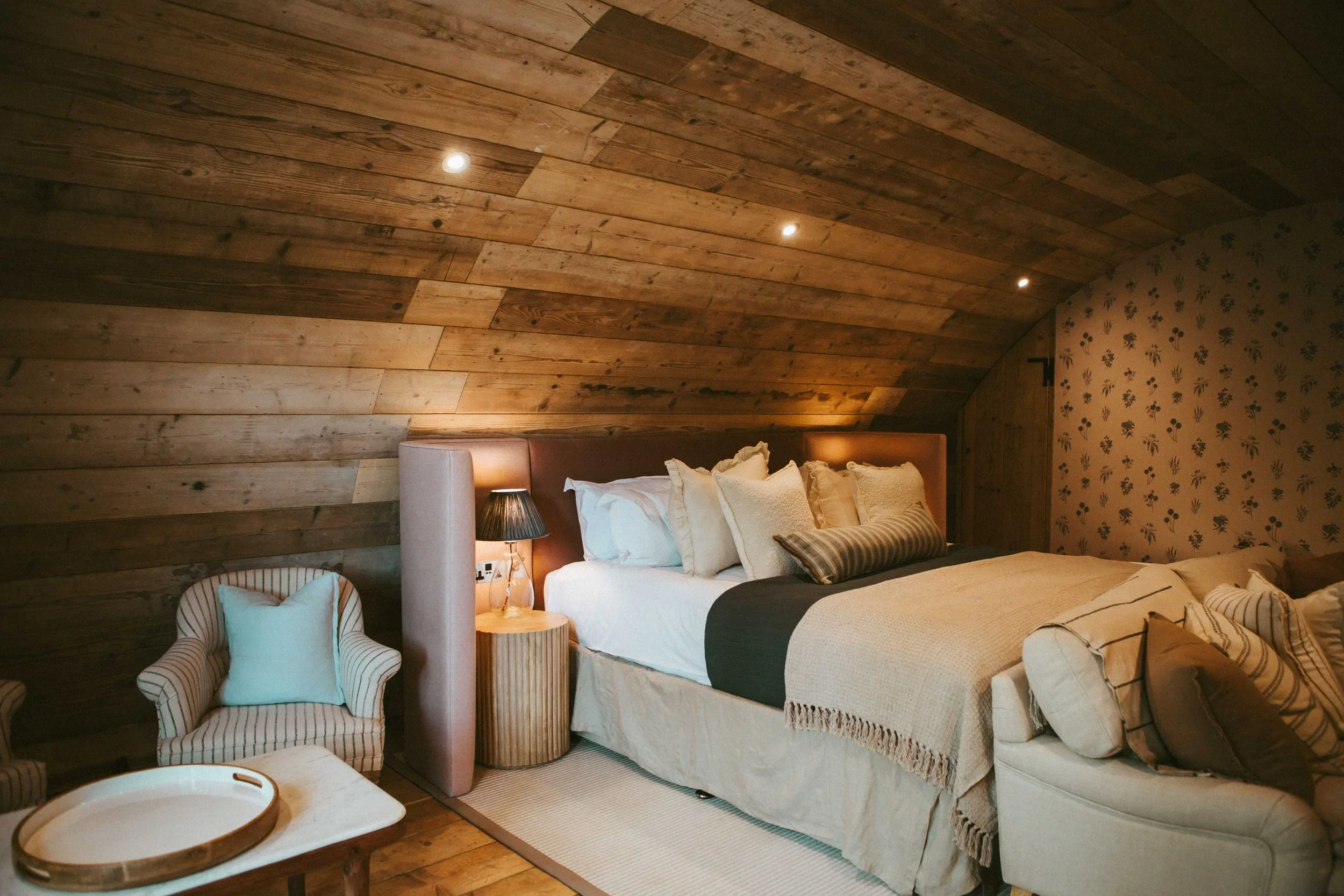
THE BATHROOM HAS A BIGGER ROLE TO PLAY
Hotel bathrooms have traditionally been judged by their finishes: stone, lighting, fittings and the size of the shower or bath.
In the emerging recovery-led hotel, their purpose goes further.
The bathroom can become the point at which a guest mentally arrives. It is where the pace of the journey begins to fall away and the stay properly starts.
This changes the role of hotel amenities too.
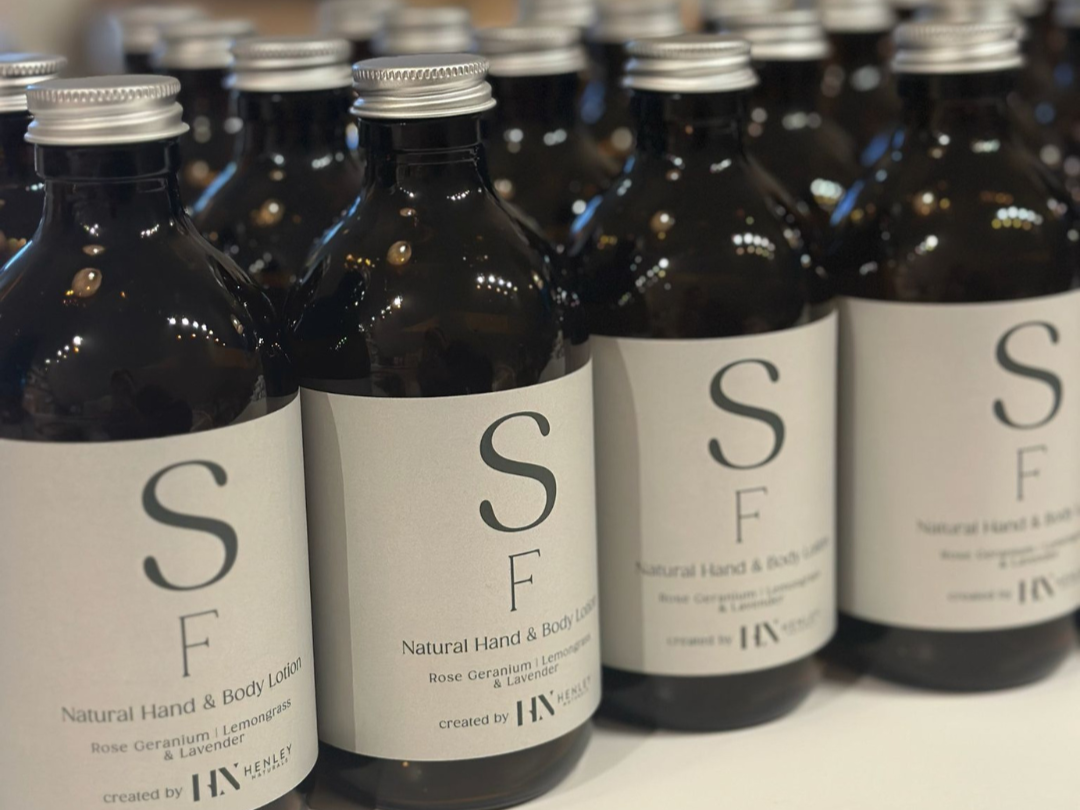
Hand wash, body care and hair care are no longer just practical products placed in a dispenser. Their formulation, fragrance, presentation and provenance all communicate something about the property.
Are the products generic, or do they belong to the place?
Does their aroma compete with the room, or contribute to it?
Are they simply available to use, or have they been chosen to create a particular moment within the guest’s day?
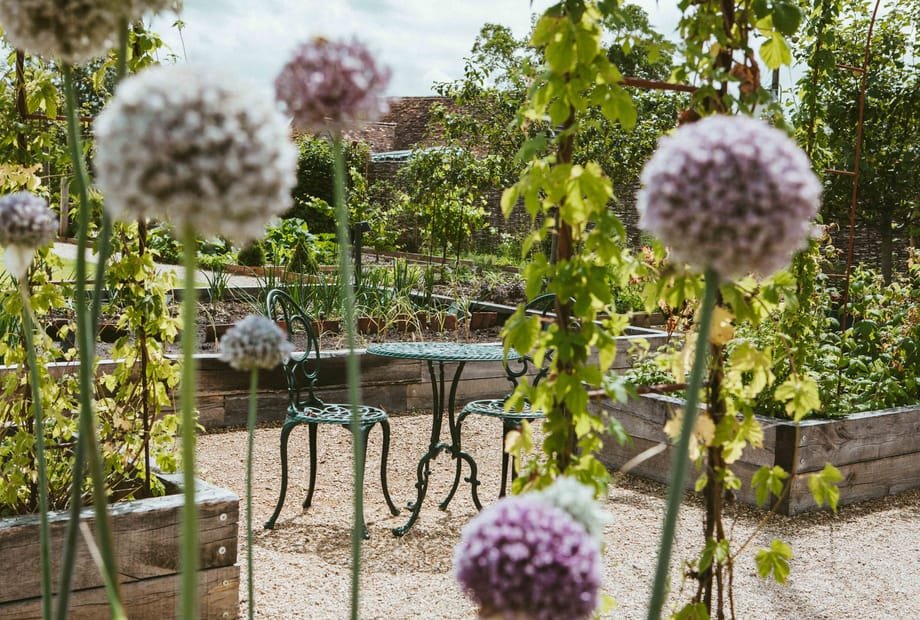
SCENT WITH A JOB TO DO
The future of hotel scent is not about making every room smell stronger.
It is more about creating a considered sensory sequence across the stay.
The best fragrance choices will also be rooted in the property itself, its landscape, architecture, history or reason for being. That sense of place should also move with time.
Scent should have purpose attuned to the seasons, just as our appetites shift with them.
Winter calls for warm, spicy notes to brighten dark days. Spring brings light, airy scents to clear stagnant winter energy. Summer is vibrant florals and cooling herbs. Autumn grounds us with earthy tones, restoring balance before the seasons turn.
Realigning our scent preferences with the seasons helps us stay in harmony. Individuality matters because guests do not remember generic experiences.
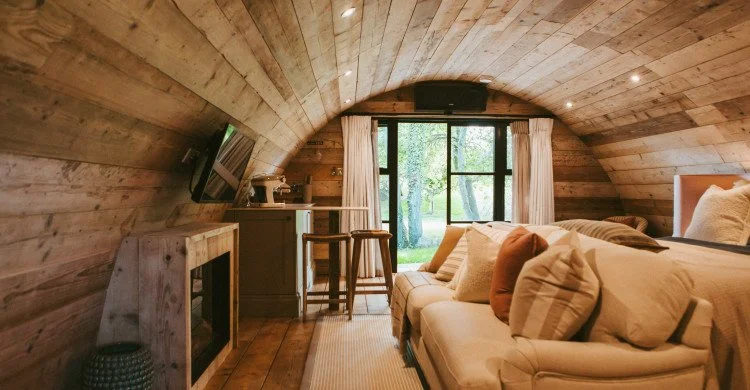
SMALL HOTELS HAVE AN ADVANTAGE
Large luxury groups can invest in sleep laboratories, diagnostic technology and extensive thermal facilities. Independent and boutique hotels are unlikely to compete on that scale, and they do not need to.
Their advantage is character.
A smaller property can build a more coherent experience around its surroundings, choose locally relevant products, introduce a simple evening ritual or create a bathroom experience that feels unmistakably its own.
That may mean a locally developed fragrance, refillable dispensers selected to complement the interior. A bath ritual offered at turndown, a scent that shifts with the seasons to reflect the rhythm of the place, or a product guests can take home and encounter again long after their stay.
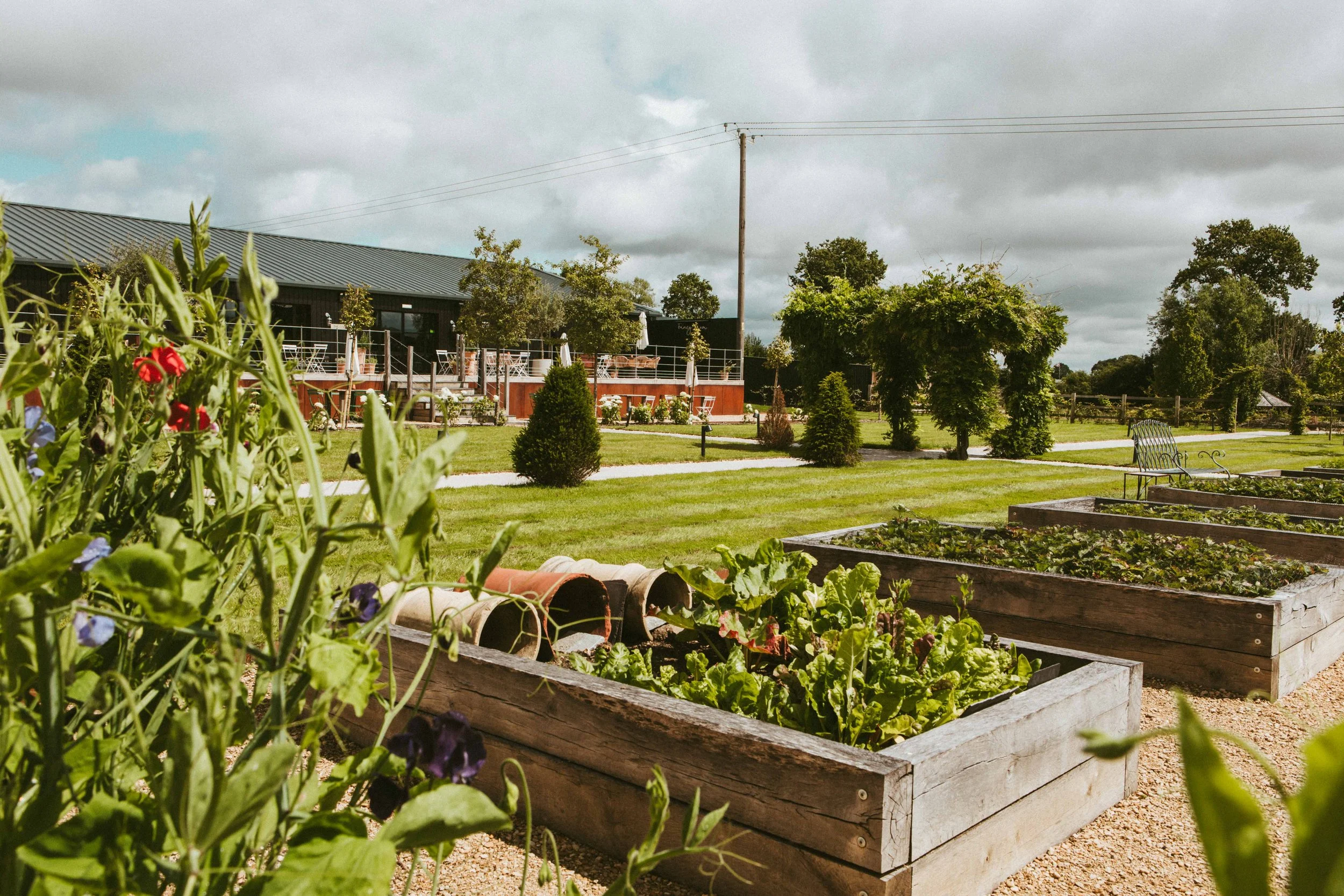
The direction emerging in 2026/27 is quieter and more intelligent.
It is about helping guests to sleep properly. Reducing unnecessary stimulation. Creating transitions between different parts of the day and connecting with the natural world around us. Choosing products with intention. Making the room feel restorative before anyone has called it a wellness experience.
The question facing hotels is therefore no longer:
“Do we have a spa?”
It is:
“Does staying here genuinely leave people feeling better?”
