

Can AI Understand How A Scent Can Make Us Feel?
As artificial intelligence learns to interpret fragrance, we explore what happens when one of our oldest senses meets our newest technology

Imagine showing a computer photographs of the places and things you love.
A windswept coastline. An old English country house. A serene lake in Canada. The colours you wear, the interiors you save and the destinations you dream about visiting.
Then imagine it telling you what you might like to smell.
It sounds slightly futuristic. But in 2026, it's already happening.
Artificial intelligence is entering the world of fragrance, helping brands understand preferences, recommend scents and even explore the relationship between molecules, aromas and language.
And it raises a fascinating question.
Can technology ever really understand something as emotional as scent?

FROM IMAGES TO FRAGRANCE
One of the most interesting examples arrived this summer.
A famous fragrance house recently launched Scent Scanner, an AI-powered experience on Pinterest that analyses someone's saved images to recommend fragrances.
Instead of asking whether you prefer floral, citrus or woody notes, the technology looks at visual clues.
Colours. Textures. Destinations. Interiors. Rituals. Landscapes.
From those clues, it attempts to understand your taste and translate it into fragrance.
We might not know that we like petitgrain, vetiver or geranium.
But we know the atmosphere we like, a sunlit Mediterranean garden,
a quiet woodland, or fresh linen sheets.
Perhaps the images we surround ourselves with reveal more about our scent preferences than we realise.

TEACHING MACHINES TO SMELL
Elsewhere, scientists are going considerably further.
A growing field known as digital olfaction is bringing together artificial intelligence, chemistry, neuroscience and sensor technology to explore whether machines can detect and interpret smells.
So-called electronic noses use sensors and algorithms to recognise chemical patterns in the air.
Researchers are also exploring something that once seemed almost impossible:
Can we translate a smell into words, and words back into a representation of smell?
It's another reminder of just how quickly technology is learning to interpret parts of the physical world that have traditionally belonged entirely to human experience.

BUT CAN AI EXPERIENCE A MEMORY?
This is where things become more complicated.
AI can identify patterns.
It can learn that people who respond positively to particular colours, places or aesthetics may also favour certain fragrance families.
It can analyse thousands or millions of preferences far faster than any individual could.
But smell isn't simply information.
It is memory.
The scent of lavender might remind one person of summer evenings in a childhood garden. To somebody else, it might bring back a hotel they visited years ago.
Rose could evoke a the memory of a wedding. The smell of freshly cut grass can transport us instantly to summers that happened decades ago.
Often, we don't choose these associations, they simply become part of us.
And that's where human scent becomes much more interesting than an algorithm.
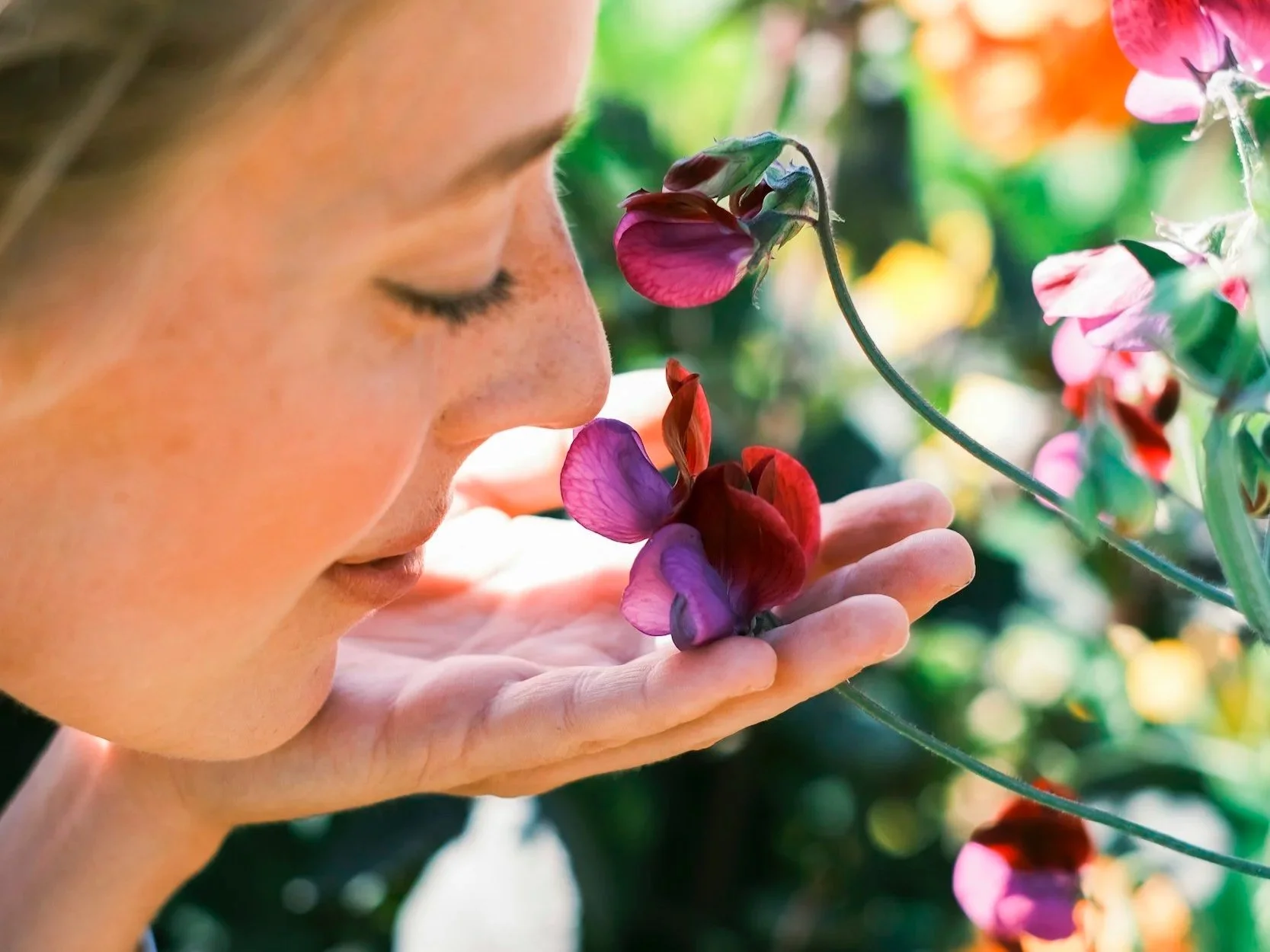
PERHAPS WE DON'T WANT EVERYTHING OPTIMISED
We're increasingly surrounded by technology designed to understand us.
Algorithms decide what music we might enjoy, what films we should watch, what products we might buy and even where we might travel next.
AI can now begin suggesting what we might like to smell.
But perhaps part of the pleasure of fragrance is discovery.
Opening a bottle. Breathing something in. Being surprised. Being human.
Finding yourself drawn to an aroma you would never have selected from a list of ingredients because deep down in your subconscious you recognise the scent from long ago.
Or discovering that a particular blend simply makes a room feel different, it raises its vibrations on a level which we simply cannot quantify.
Not everything needs to be predicted before we experience it.
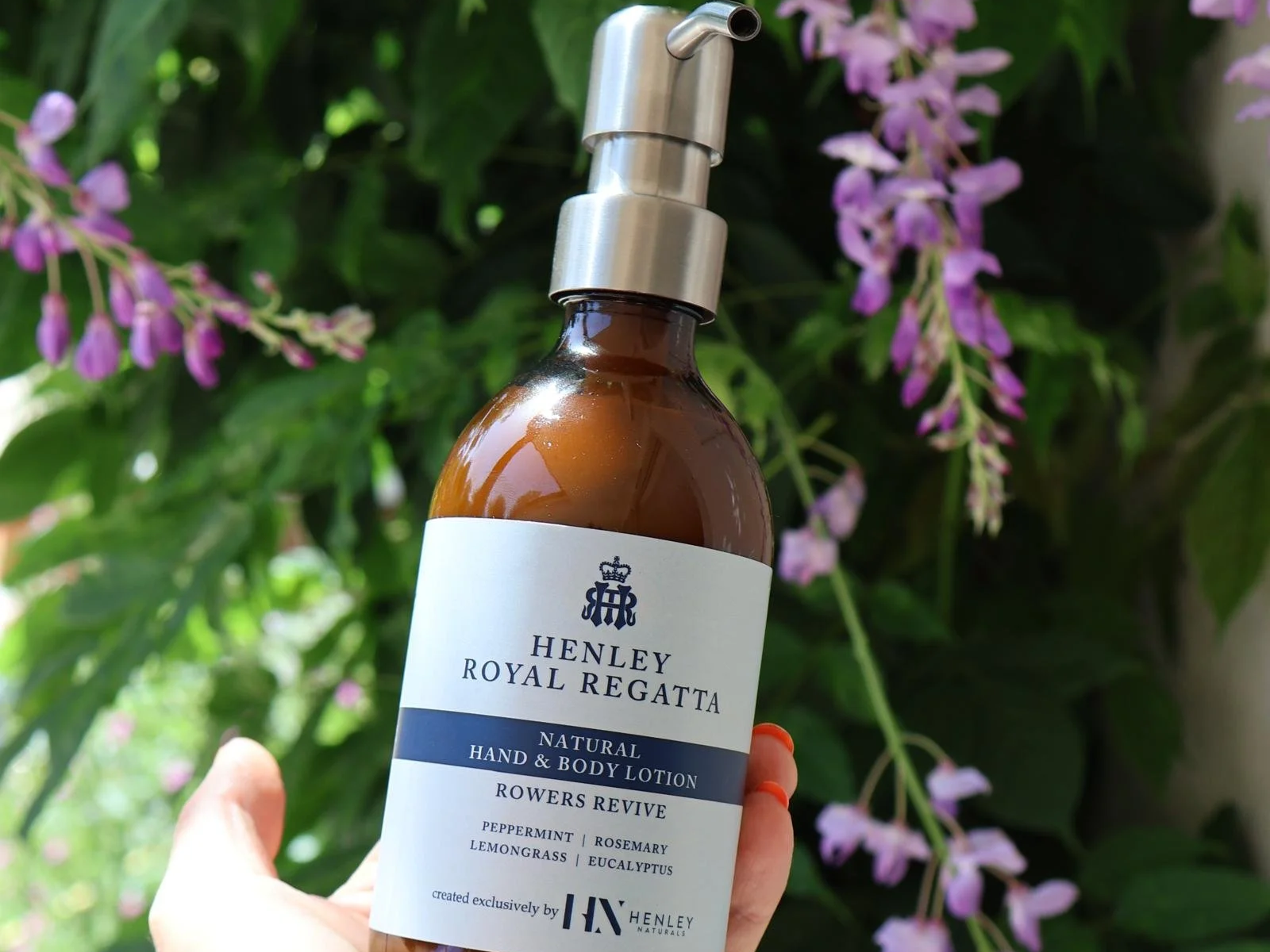
TECHNOLOGY MEETS NATURE
At Henley Naturals, our starting point remains rather more elemental.
Plants. Flowers. Herbs. And Everything Natural.
Simple and uncomplicated.
